
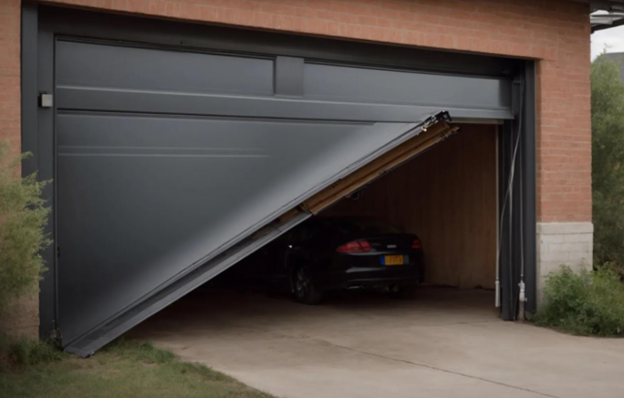
Emergency residential garage door repair refers to unscheduled, urgent service required when a garage door fails in a way that compromises the security, function, or safety of a home. Broken torsion springs, snapped cables, off-track panels, and failed openers are the most common causes. These failures do not wait for business hours, and in many cases, they leave a vehicle trapped or an opening unsecured.
At American Star Garage Doors, we respond to these situations with same-day availability because we understand what is actually at stake: your access, your safety, and your peace of mind. The repair timeline from first call to resolved issue is typically two to four hours, depending on the problem and parts availability. This guide explains what qualifies as a garage door emergency, how to assess severity, what the repair process looks like, and how to choose a service provider you can trust when time is short and the stakes are real.
1. Identify What Qualifies as a True Emergency
Not every garage door problem requires an emergency call. A door that makes a new noise or closes slightly slower than usual can usually wait for a scheduled service visit. But some failures demand immediate attention, not because of inconvenience alone, but because they create measurable risk.
A door that will not close is an open security vulnerability. A broken spring under tension is a physical hazard. A door that closes partially and stops creates a potential entrapment risk for children, pets, and vehicles. These are not scenarios where waiting 48 hours is a reasonable option.
The following conditions typically qualify as emergency situations:
- The door is stuck in the open position and cannot be secured
- A spring has snapped audibly or visibly, and the door is extremely heavy or inoperable
- A cable has snapped, causing the door to hang unevenly or drop on one side
- A panel has come off-track and the door will not move without force
- The opener motor is running but the door is not responding
- The door has been struck by a vehicle and the frame or tracks are visibly bent
If your situation falls outside these categories, it still deserves attention but may not require an emergency dispatch. Our team will help you triage the issue accurately when you call.
2. Understand the Five Most Common Emergency Failures
Understanding what broke and why helps you communicate clearly with your technician and manage expectations around repair time and cost. Here is what we see most often on emergency calls.
| Failure Type | What Causes It | Risk Level | Typical Resolution |
| Broken Torsion Spring | Metal fatigue from repeated cycling; average lifespan 7-12 years | High (spring under tension) | 1-2 hours |
| Snapped Lift Cable | Wear, rust, or imbalanced tension over time | Moderate to High | 1-1.5 hours |
| Off-Track Door | Obstruction impact, roller failure, or cable snap | Moderate | 1-2 hours |
| Opener Drive Failure | Motor burnout, stripped gear, or board failure | Low (access only) | 1-3 hours |
| Bent or Damaged Panels | Vehicle impact or severe weather | Variable | Same or next day |
The most physically dangerous failure on that list is a broken torsion spring. These springs bear the full mechanical load of your door, which often weighs between 130 and 350 pounds. When one snaps, the stored energy releases instantly. Attempting to manually operate a door with a broken spring is how homeowners get seriously injured.
| A NOTE FROM OUR TECHNICIANS We have seen a consistent pattern over the years. Torsion springs break most often in late fall and winter. The combination of temperature contraction and increased daily use accelerates wear. If your springs are over eight years old, a pre-season inspection is a sound investment. |
3. Know What Not to Do Before the Technician Arrives
When something goes wrong with a garage door, the instinct is to try to fix it or force it. In nearly every emergency scenario, this instinct works against you. Here is what we consistently advise homeowners to avoid while waiting for service.
- Do not attempt to wind or adjust a torsion spring yourself. This is the single most dangerous DIY attempt we see. The required winding bars must be precisely sized, and the tension involved can cause severe injury if the bar slips.
- Do not force a door that will not move. If a cable has snapped or a track is bent, applying force can worsen the damage significantly, turning a $200 repair into a $900 panel replacement.
- Do not operate the opener repeatedly on a door that is stuck. Repeated motor cycling against a blocked door strains the drive mechanism and can burn out a motor that was otherwise fine.
- Do not disconnect your door from the opener without understanding the current state. If a spring is broken and you release the door from the opener carriage, it may drop suddenly under its own weight.
The safest action while waiting for a technician is to use your side door if available, avoid using the garage door entirely, and ensure children and pets are kept away from the door area.
| REAL SCENARIO A homeowner in Torrance called us after attempting to manually open a door with a snapped cable. The door had dropped at an angle and wedged against the frame. What would have been a straightforward cable replacement became a two-hour job involving track realignment and a minor panel repair. The original repair cost would have been under $180. The final bill was over $420. Waiting costs nothing; forcing things costs considerably more. |
4. Walk Through a Same-Day Repair: What Actually Happens
When you call us for same-day garage door services in Torrance, here is exactly what the process looks like from first contact to completed repair. Transparency here matters because nobody wants surprises mid-job.
| 1 | Initial call and triage (5-10 minutes). Our team asks targeted questions to identify the failure type, confirm your address, and assess parts availability. This step determines whether we can resolve the issue same-day or need to source a specific component. |
| 2 | Dispatch and arrival (typically 1-3 hours). Our trucks carry the most common replacement parts: springs in standard sizes, cables, rollers, hinges, and opener components. The majority of emergency repairs are completed in a single visit. |
| 3 | On-site assessment (15-20 minutes). The technician inspects the full door system, not just the visible point of failure. A snapped cable often reveals a spring nearing the end of its life. Addressing secondary issues during the same visit saves you a second emergency call. |
| 4 | Written estimate before work begins. We provide a clear breakdown of parts and labor before touching anything. You approve it. There are no surprise charges. |
| 5 | Repair and testing. After the repair, we test the door through multiple open-close cycles, check the balance manually, and confirm the safety reversal function on the opener is calibrated correctly. A repaired door should also be a safe door. |
| 6 | Walk-through and documentation. Before we leave, we explain what was replaced, why, and what to watch for. We leave behind documentation of the work performed and parts used. |
5. Understand Emergency Repair Costs Without Surprises
Emergency repair pricing often confuses homeowners because it varies widely based on failure type, time of service, and provider. Here is how to think about what you are actually paying for.
| Repair Type | Estimated Range | Notes |
| Single Torsion Spring | $150 – $300 | Replacing both springs simultaneously is recommended |
| Double Torsion Spring | $220 – $420 | Most cost-effective; balances both sides equally |
| Cable Replacement (per cable) | $90 – $180 | Often paired with roller inspection at no added labor cost |
| Off-Track Realignment | $120 – $250 | Varies with extent of track damage |
| Opener Gear/Drive Replacement | $130 – $280 | Board replacement may increase cost |
| After-Hours Emergency Fee | $50 – $100 (added to above) | Applies outside standard service hours |
These ranges reflect real market conditions in the Southern California area. They are guides, not guarantees. The most important protection against overcharging is a written estimate before work begins. Any provider unwilling to commit to a price in writing warrants serious scrutiny.
When one spring breaks, the other has typically experienced the same degree of wear. Replacing both at the same time costs roughly 30 to 40 percent more than replacing one. But replacing just the failed spring almost guarantees the second will break within weeks or months, requiring another service call and another labor charge. From a pure cost logic standpoint, replacing both at once is nearly always the smarter spend.
6. Separate Myths from Reality in Garage Door Emergencies
There is a surprising amount of misinformation around garage door repair, much of it spread by well-meaning neighbors or general handyman forums. Here is what the reality actually looks like.
| COMMON MYTH | THE REALITY |
| “I can replace a torsion spring myself with a YouTube tutorial.” | Torsion springs store enormous energy under load. Without proper winding bars and training, release can be instantaneous and violent. Emergency room visits from DIY spring replacements are well-documented. |
| “The opener is the problem if the door doesn’t move.” | In roughly 60% of cases we see, the opener is functioning fine. The problem is mechanical: a broken spring, failed cable, or jammed track. The opener simply cannot override a mechanical failure. |
| “Emergency service always means overcharging.” | Reputable providers charge a transparent after-hours fee. The repair itself costs the same regardless of time of day. Overcharging is a provider quality issue, not an industry-wide standard. |
| “A noisy door is just annoying, not a warning sign.” | Grinding, scraping, or popping sounds often signal roller wear, cable fraying, or spring fatigue well before a failure occurs. A noisy door is a maintenance opportunity, not an aesthetic issue. |
| “New homes have garage doors that won’t need repair for 20 years.” | Standard torsion springs have a 10,000-cycle lifespan. A household cycling the door four times daily reaches 10,000 cycles in under seven years. |
7. Choose a Same-Day Service Provider Wisely
When a garage door emergency happens, the search pressure creates vulnerability. Homeowners under stress are more likely to call the first result, accept verbal-only pricing, and skip verification steps. The following criteria should guide your decision in under five minutes.
- Local presence and verifiable address. A company operating without a local address is a red flag. National aggregators often dispatch subcontractors with no accountability to the provider you called.
- Licensing and insurance. In California, garage door contractors operating commercially should carry general liability insurance. Ask directly. Legitimate companies are accustomed to the question.
- Written estimate before work begins. This is non-negotiable. A verbal estimate is meaningless the moment parts are on the floor. Insist on a written breakdown you can review and approve.
- Reviewable history. Google reviews, Yelp, and Nextdoor provide recent, local signal. Look specifically at how the company responds to negative reviews. That behavior under criticism reveals more than the five-star ratings do.
- Parts warranty and labor guarantee. Quality providers stand behind their work with at minimum a 90-day labor guarantee and manufacturer-backed parts warranty.
We have been serving residential customers in Torrance and the South Bay for years. Our technicians are background-checked, our trucks are fully stocked, and our pricing is written before any work begins. We are not the right fit for every situation, but we are transparent about what we offer and what we do not.
| INDUSTRY OBSERVATION The garage door service industry in Southern California has a meaningful concentration of short-lived, low-investment operators who underquote to win the call and upcharge once on site. The defense is simple: get everything in writing before the first bolt is turned. A company unwilling to do this should be declined regardless of price. |
Frequently Asked Questions
How fast can I get emergency residential garage door repair in Torrance, CA?
In most cases, we can dispatch a technician within one to three hours of your call. Response time depends on current call volume and your location within the service area. Torrance and adjacent South Bay communities are within our primary service zone, which allows us to prioritize same-day availability consistently.
Is it safe to use my garage door if a spring is broken?
No. A door with a broken torsion spring is under uneven or absent tension and can drop unexpectedly. Operating the opener against a broken spring risks stripping the drive gear or burning out the motor. Keep the door in place and call for service before attempting to use it manually or electrically.
What is the difference between an emergency repair and a standard service call?
Standard service calls are scheduled appointments for maintenance, tune-ups, or non-urgent adjustments. Emergency repairs are unscheduled responses to failures that compromise security or safety. Emergency calls typically carry a dispatch or after-hours fee, particularly for service outside normal business hours, but the repair work itself is billed at standard rates.
Can I manually open my garage door if the opener fails during an emergency?
Yes, if the door’s mechanical system is intact. Pull the red emergency release cord hanging from the trolley track. This disconnects the door from the opener carriage. However, if a spring or cable is broken, manual operation is dangerous. Assess the mechanical condition first or consult a technician before pulling the release cord.
How much does same-day garage door repair typically cost in Southern California?
Most same-day repairs fall in the $150 to $420 range depending on the failure type, parts required, and whether the call is within or outside standard hours. Spring replacement and cable repair are the most common same-day jobs. We provide a written estimate on-site before any work begins so there are no billing surprises.
Why did my garage door spring break without warning?
Torsion springs have a finite lifespan measured in cycles, typically 10,000 for standard residential springs. At four cycles per day, that equates to roughly seven years of use. Springs do not degrade visibly before failure. The break often seems sudden but is the result of accumulated metal fatigue. Regular inspections can identify springs nearing end-of-life before failure occurs.
Does homeowners insurance cover emergency garage door repair?
It depends on the cause. Damage from a vehicle impact, storm, or covered peril may be claimable depending on your policy deductible. Normal wear-and-tear failures like broken springs or worn cables are generally not covered. Review your policy or call your insurer before filing a claim to avoid unnecessary impact on your premium.
How do I secure my home if my garage door won’t close?
If the door is stuck open, lock the interior door between the garage and your home immediately and do not leave the property unattended. If possible, manually lock the door in place using the manual lock bar or wedge a board in the track temporarily. Then call for emergency service. Do not leave the door open overnight.
When Urgency Meets Expertise
Emergency residential garage door repair is not complicated in concept. A component has failed, access or security is compromised, and a qualified technician needs to address it quickly and correctly. The complexity sits in the details: knowing which failures are dangerous, which repairs are DIY-appropriate (almost none), and which service providers can be trusted under time pressure.
The single most important thing we can offer through this guide is a framework for calm, informed decision-making during a situation that feels urgent. Garage door emergencies look dramatic but are almost always resolvable within a few hours when handled by someone who knows what they are doing.
We have built American Star Garage Doors around that premise. Transparent pricing, documented repairs, same-day availability in Torrance and the South Bay, and technicians who explain the work rather than just performing it. That is not a marketing statement. It is the operating standard we hold ourselves to every day.
If you are reading this in the middle of a garage door failure, the answer is straightforward: stop forcing it, secure your home, and call a qualified technician. The rest takes care of itself.
