
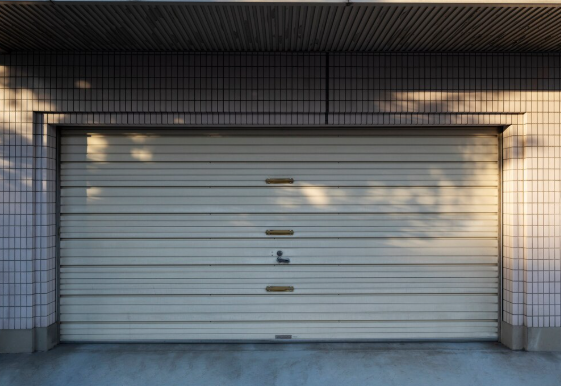
Professional residential garage door repair in South Bay Area homes increasingly involves balancing performance, security, and architectural integration rather than simply restoring door movement. Garage systems now support daily household routines, package security, smart-home access, and climate protection across a wide range of residential properties.
At American Star Garage Doors, we regularly work with homeowners throughout the South Bay Area who need solutions that address long-term reliability rather than temporary symptom correction. Coastal conditions, high-cycle usage, and evolving technology expectations all influence how residential systems perform over time.
Recognizing the Real Causes Behind Residential Failures
Many garage door issues begin gradually. Increased vibration, delayed response time, or inconsistent movement usually indicates growing system imbalance.
Homeowners sometimes focus only on the visible symptom. In practice, mechanical systems operate through interconnected tension relationships. A damaged roller can affect track stability. Weak springs can overload opener motors.
At American Star Garage Doors, repair strategies prioritize root-cause evaluation to improve long-term system reliability.
Understanding the Role of Overhead Garage Systems
An overhead garage door in South Bay Area homes performs several functions simultaneously. Beyond access control, it also influences:
- Energy efficiency
- Exterior noise reduction
- Property security
- Architectural continuity
- Daily convenience
That expanded role explains why repair quality matters more today than it did even a decade ago.
Many newer homes throughout Manhattan Beach, Redondo Beach, and nearby coastal neighborhoods now integrate garage systems directly into broader smart-home ecosystems.
Addressing Coastal Wear Across South Bay Communities
South Bay properties experience unique environmental pressure due to moisture exposure and salt-heavy air conditions. Corrosion develops gradually, particularly around hinges, brackets, and spring systems.
This creates an important operational challenge. Damage often develops internally before visible signs appear externally.
Professionals frequently identify:
| Common Issue | Typical Cause |
| Rusted hardware | Coastal air exposure |
| Sensor inconsistency | Moisture accumulation |
| Loud operation | Roller deterioration |
| Uneven movement | Track imbalance |
Experiences like this reveal a broader industry pattern. Environmental conditions increasingly influence maintenance timelines for residential systems.
Evaluating Safety and Operational Risk
Garage doors remain one of the heaviest moving systems inside most homes. Improperly balanced systems create both mechanical and safety concerns.
Several warning signs should never be ignored:
- Jerking movement
- Sudden slamming
- Grinding sounds
- Delayed reversal response
- Incomplete closure
At American Star Garage Doors, safety inspections evaluate both visible hardware and operational response under load conditions. Small calibration problems can quickly evolve into more expensive structural failures.
Adapting to Smarter Residential Infrastructure
Homeowners increasingly expect garage systems to operate quietly, predictably, and remotely. Smart access technology, delivery integration, and battery backup systems are becoming standard expectations rather than luxury upgrades.
This transition changes repair priorities significantly. Modern service work now requires balancing mechanical durability with software compatibility and sensor accuracy.
Viewed strategically, residential garage systems are evolving into intelligent infrastructure components rather than isolated mechanical assets.
Maintaining Long-Term Residential Performance
Reliable garage operation reflects thoughtful maintenance decisions over time. Preventive inspection, early intervention, and informed repair strategies consistently outperform reactive emergency repairs.
At American Star Garage Doors, long-term system performance remains central to every residential evaluation. Durable operation depends not only on strong components, but also on understanding how modern households actually use garage systems today.
FAQs
How long do residential garage door systems usually last?
Most residential garage door systems last between 15 and 30 years depending on maintenance quality, usage frequency, and environmental exposure. Coastal climates often accelerate wear on springs, tracks, and metal hardware.
Why is my garage door becoming louder over time?
Noise usually develops from worn rollers, loose hardware, poor lubrication, or spring imbalance. Increased vibration often signals growing mechanical resistance within the operating system.
Should homeowners repair or replace damaged overhead garage doors?
Minor issues such as roller wear or sensor calibration problems are usually repairable. Structural cracking, repeated spring failures, or outdated safety systems may justify replacement instead.
How does South Bay weather affect garage doors?
Salt-heavy coastal air increases corrosion risk across springs, cables, hinges, and brackets. Moisture exposure can also affect sensor reliability and track stability over time.
